In an era where visual trends often overshadow lived experience, The Canvas Home proposes a quieter, more enduring idea of luxury, one rooted not in spectacle, but in meaning. Designed by Essence of Art, for a family whose sensibilities bridge deep cultural memory and modern urban life, the residence explores how heritage can be expressed without nostalgia, and how minimalism can feel warm rather than austere. The project resists literal interpretations of tradition, instead shaping an environment where craftsmanship, materiality, and atmosphere carry the emotional weight of the design.
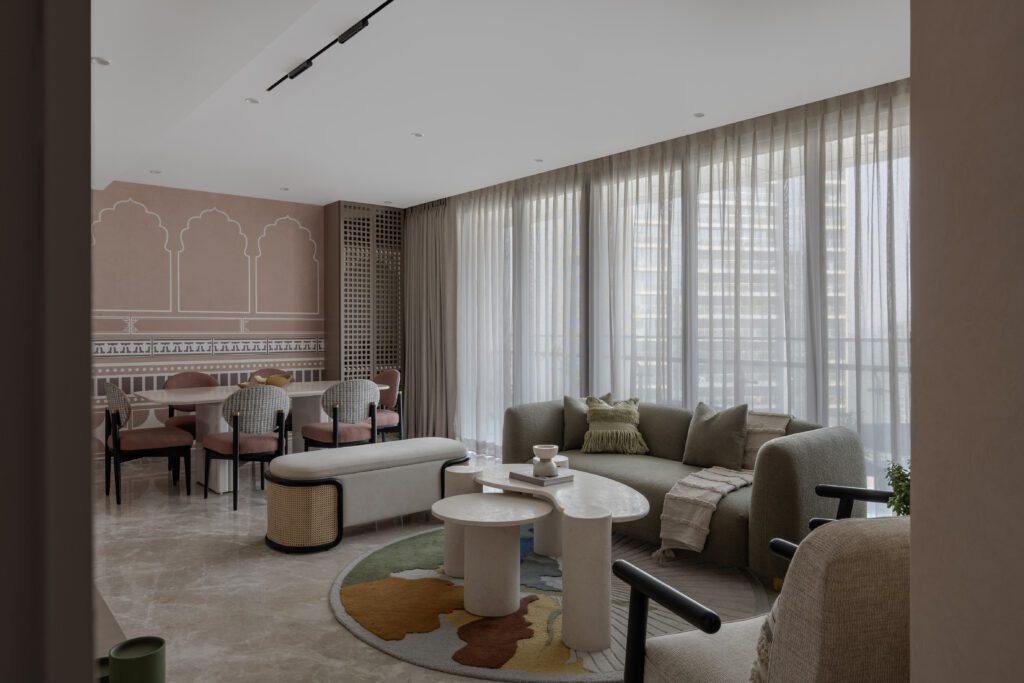
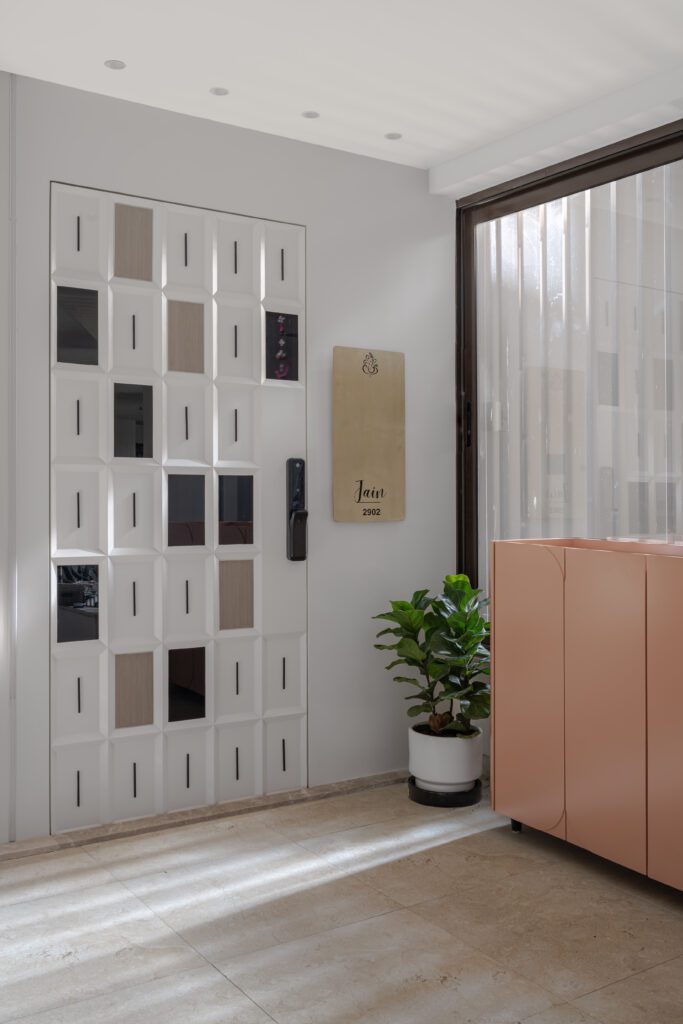
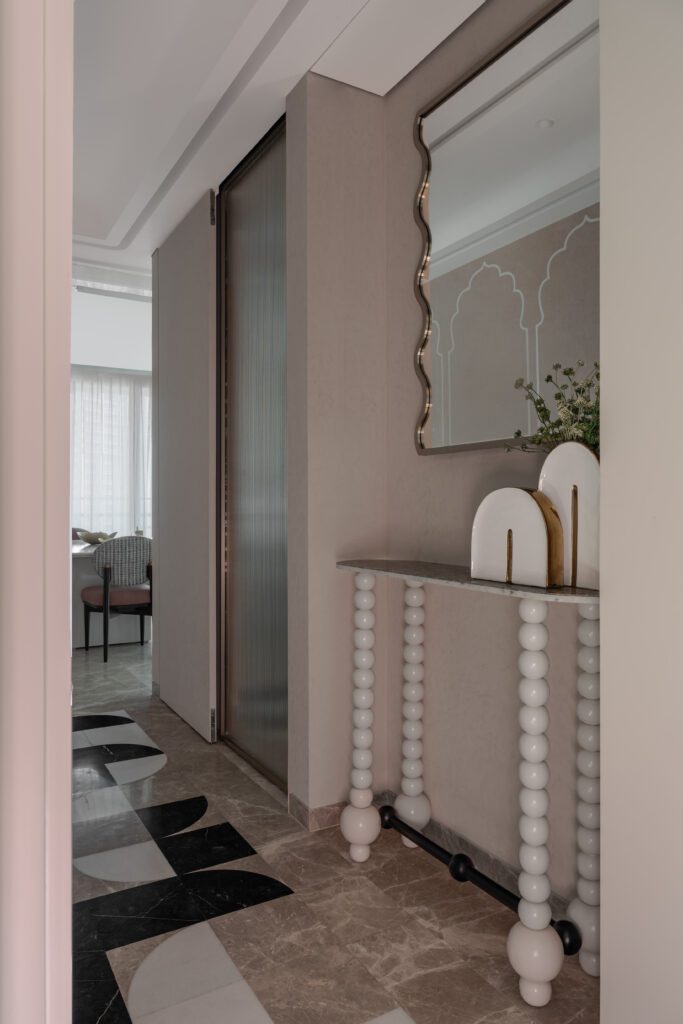
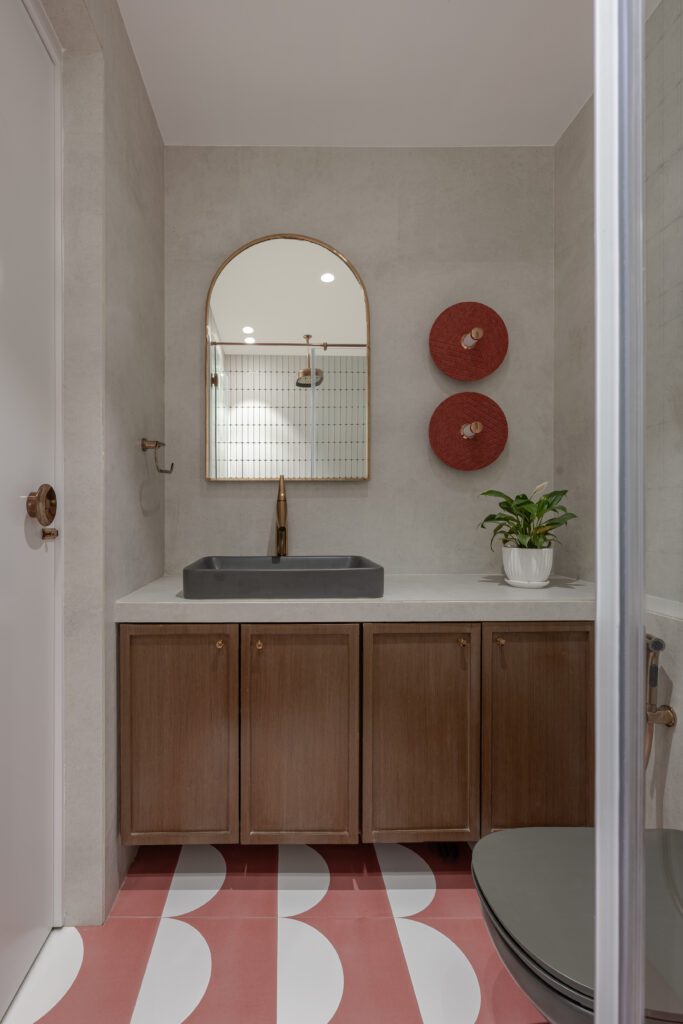
At the heart of the home lies a philosophy that views culture as something to be lived rather than displayed. This approach steers the design away from overt ornamentation, favoring a layered material narrative that feels tactile, grounded, and timeless. Hand-carved wood surfaces introduce depth and individuality, carrying the subtle irregularities that only human touch can produce. Woven cane and natural rattan lend visual lightness, softening the architectural framework while reinforcing a connection to indigenous craft traditions. Aged brass accents punctuate the palette with warmth, their muted glow acting as a quiet counterpoint to the otherwise earthy composition.
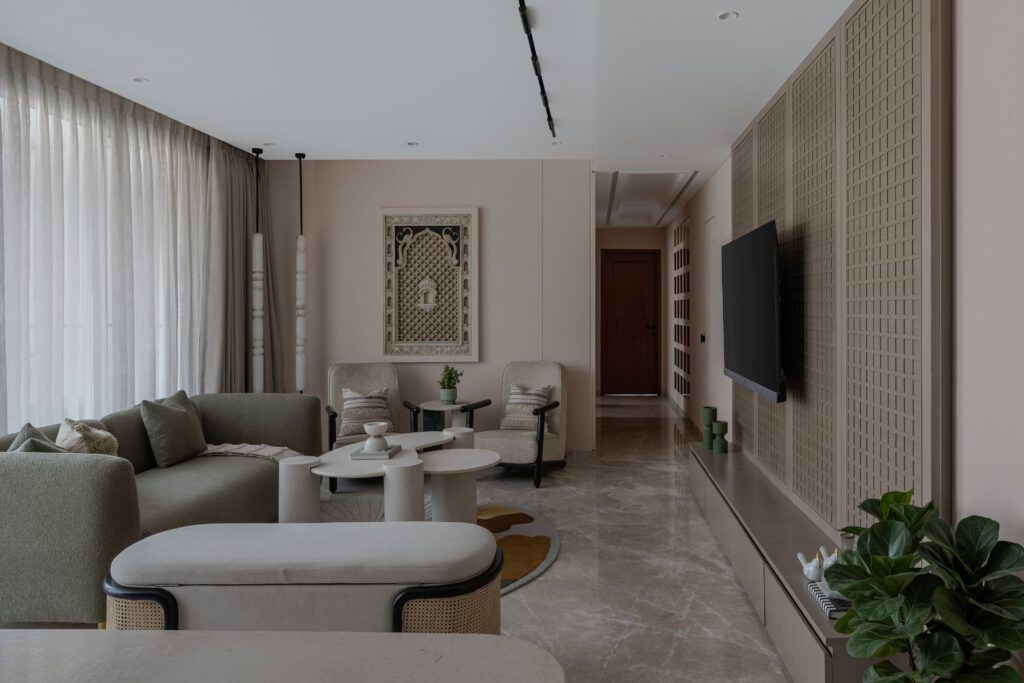
What makes The Canvas Home particularly compelling is the way Indian artistic influences are integrated into the spatial language. Folk art traditions and culturally resonant forms are not treated as decorative afterthoughts; they are embedded into the design’s DNA. References to charpai-inspired seating, jharokha-like arches, and handcrafted elements emerge as abstractions rather than replicas, allowing the interiors to feel contemporary while retaining cultural familiarity. The home thus avoids the common pitfall of thematic design, where heritage risks becoming stylized or overstated. Here, tradition is distilled into proportion, texture, and rhythm.
The spatial planning reinforces this sense of restraint and clarity. Open, breathable layouts encourage visual continuity, allowing natural light and material textures to shape the experience of the interiors. Clean-lined furniture and controlled compositions ensure that the richness of craft never descends into visual clutter. Instead, each space reads as calm and intentional, an environment where sensory warmth replaces decorative density. This balance between material richness and visual stillness becomes one of the defining achievements of the project.
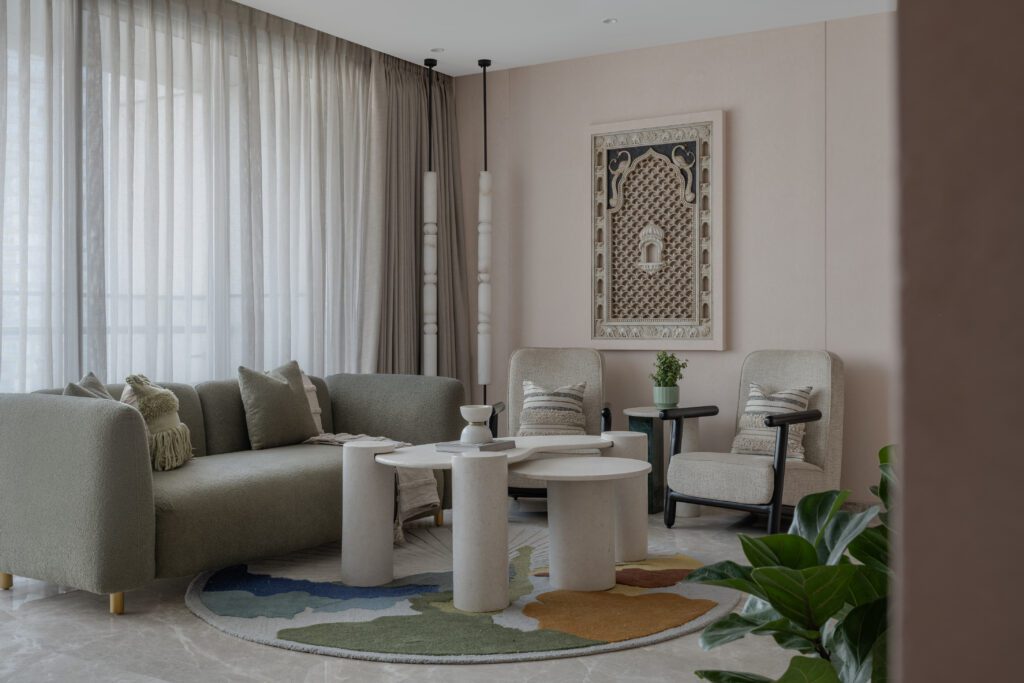
Within the living areas, the design language finds its most expressive yet disciplined articulation. Earth-based tones establish a serene backdrop against which handcrafted wooden elements and cane textures quietly assert themselves. The seating compositions, inspired by traditional archetypes yet rendered in contemporary silhouettes, reinforce the home’s central narrative: heritage adapted rather than preserved. Artworks and artisanal objects contribute layers of identity, yet their placement is measured, ensuring the space retains its composure and spatial clarity.
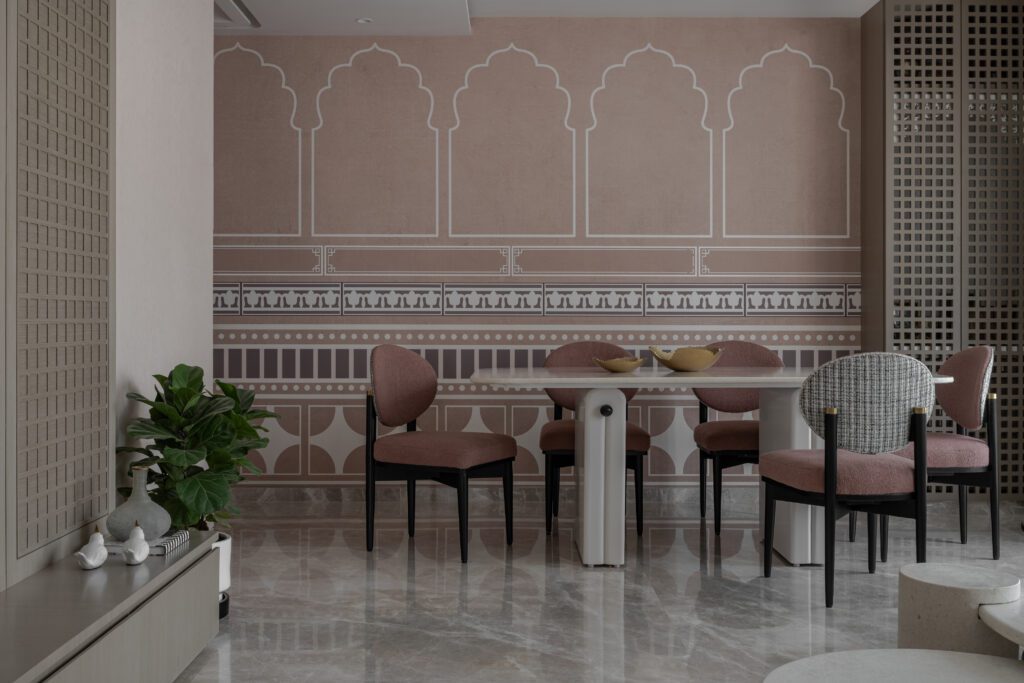
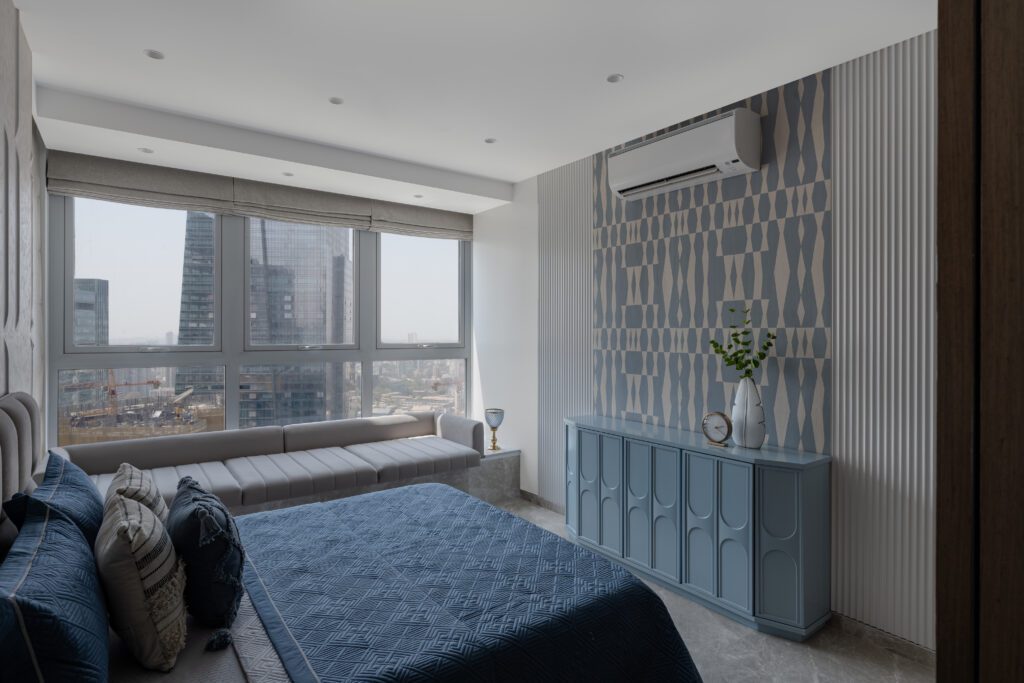
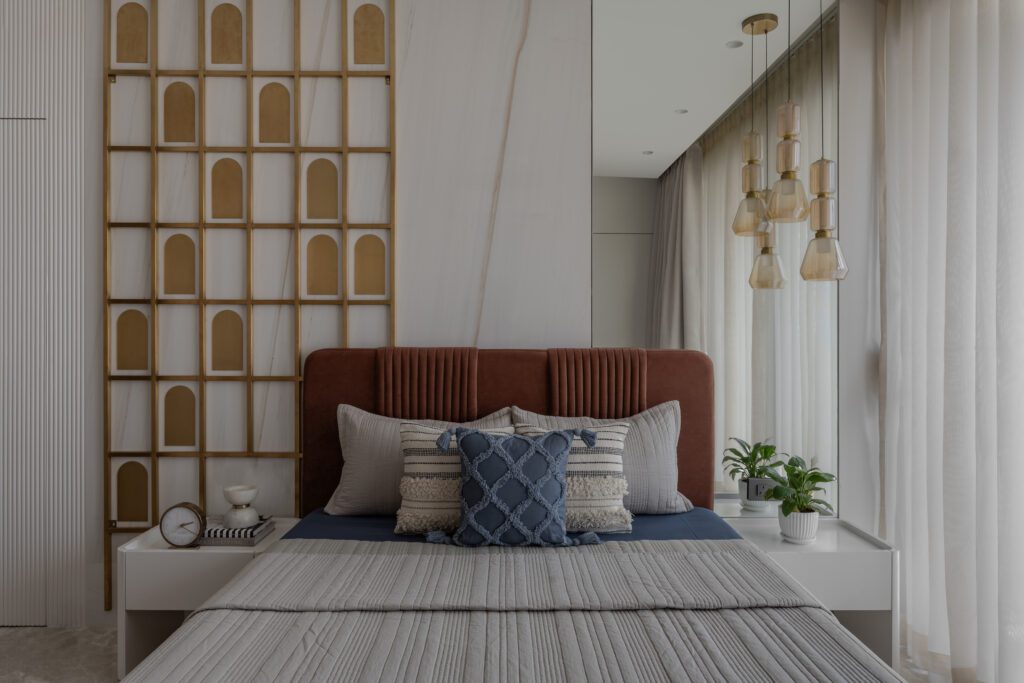
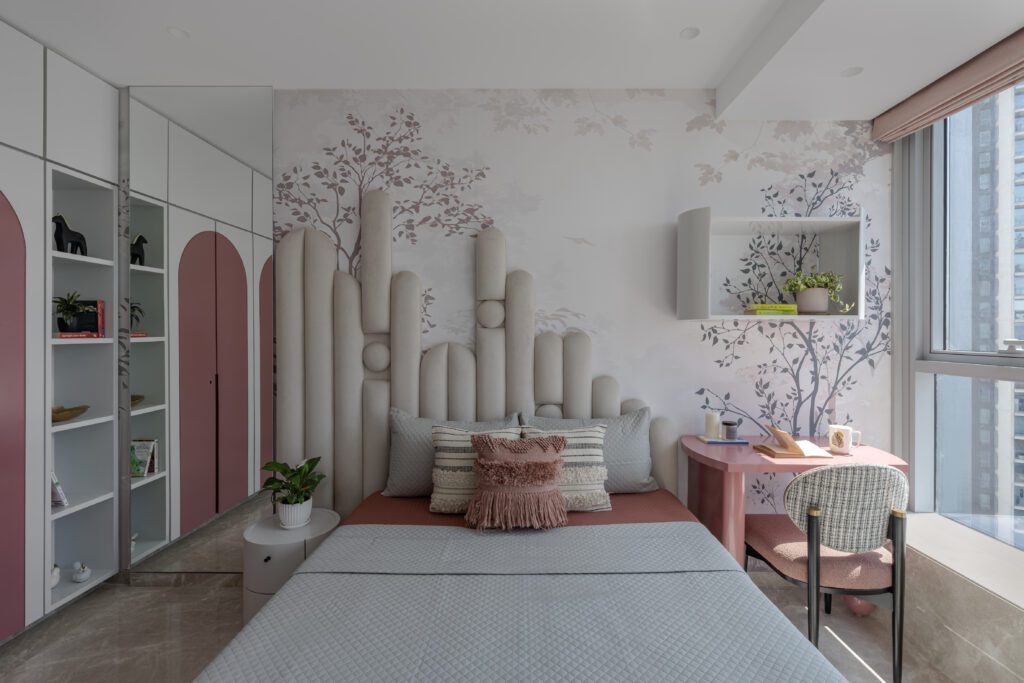
The dining space continues this dialogue between craft and modernity, functioning as both a social anchor and a visual pause. Natural materials, warm metallic accents, and subtle textural contrasts shape an atmosphere that feels intimate yet refined. Modern lighting interventions prevent the space from slipping into nostalgia, reinforcing the project’s contemporary posture. Across the private zones, the bedrooms adopt an even softer expression of the design philosophy. Muted palettes, woven details, and restrained material contrasts cultivate a sense of retreat, spaces designed for quietude rather than display.
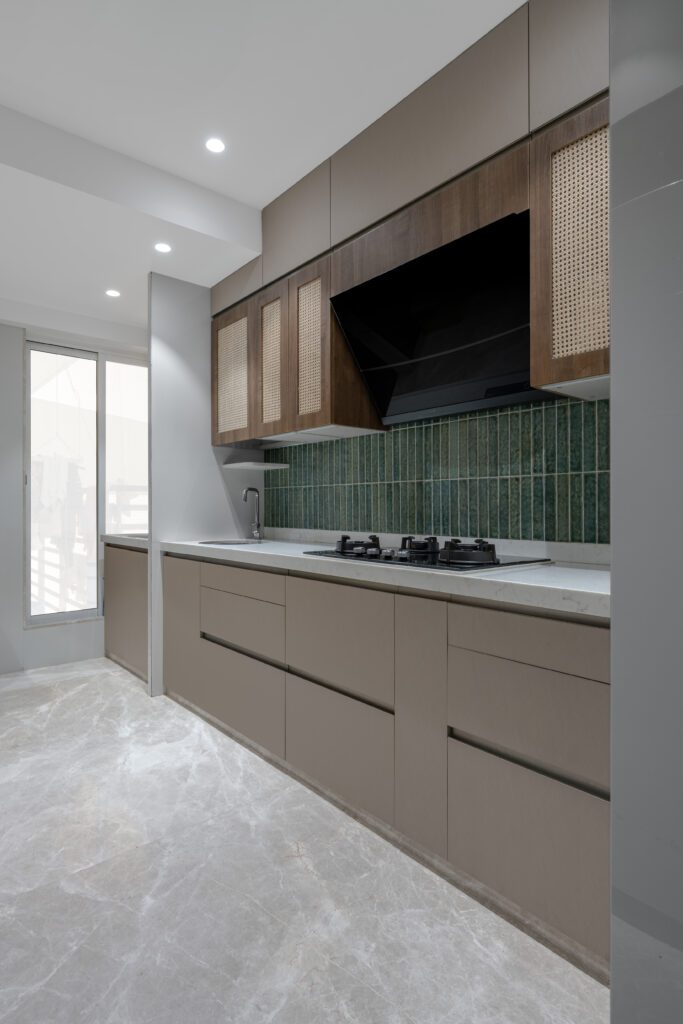
Underlying the visual and spatial decisions is an implicit commitment to sustainability. The use of natural materials, handcrafted components, and durable finishes reflects a design ethos grounded in longevity rather than disposability. Craftsmanship here is not merely aesthetic; it becomes a vehicle for responsible production and enduring value. By privileging materials and processes that age gracefully, the home aligns environmental sensibility with timeless design thinking.
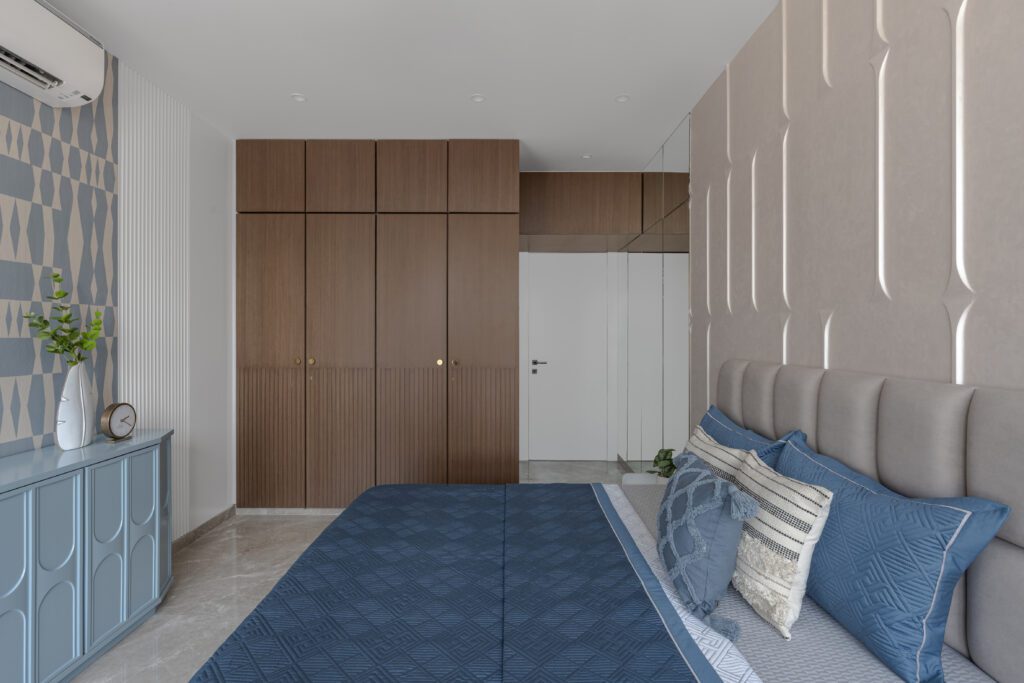
The Canvas Home ultimately stands as a nuanced exploration of contemporary Indian living, one that neither rejects tradition nor romanticises it. Instead, it constructs a refined middle ground where cultural memory, artisanal heritage, and modern restraint coexist seamlessly. The residence does not announce itself through dramatic gestures; it reveals itself gradually, through textures, light, and the quiet confidence of thoughtful design. In doing so, it affirms a powerful idea: that true sophistication often lies not in what is added, but in what is carefully held back.
Fact File
Project Name: The Canvas Home
Design Studio: Essence of Art
Location: Mumbai
Photography: Noaidwin Studio